Automower: Revolutionizing Lawn Care for a Modern World
Introduction
In an era where technology is transforming every aspect of our lives, the humble lawn has found its match in the form of ‘Automower’. This innovative system is not just a luxury but a necessity for modern homeowners and commercial property managers alike. Automower represents a significant leap forward in lawn care, promising convenience, efficiency, and substantial time and cost savings. This article aims to take you on a comprehensive journey through the world of Automower, exploring its every facet from its foundational components to its global impact, technological advancements, and future prospects. Get ready to discover how this technology is redefining outdoor maintenance as we know it.
Understanding Automower: Unveiling the Basics
Definition: Automower, in its essence, refers to an automated lawn mowing system that utilizes advanced robotics and intelligent algorithms to maintain a lush, well-manicured lawn without manual intervention. It offers a sophisticated solution to the age-old task of lawn care, ensuring optimal grass health while liberating individuals from tedious and time-consuming tasks.
Core Components:
-
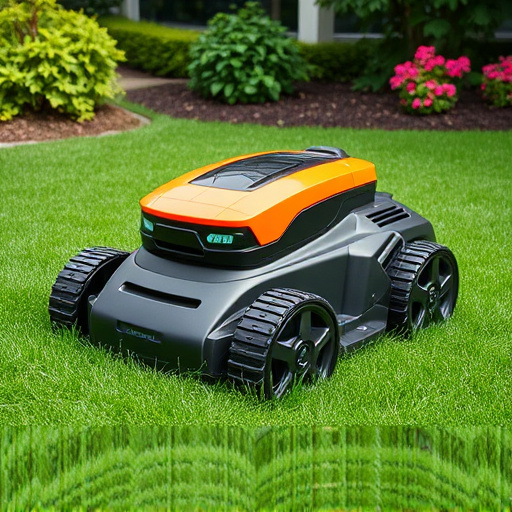
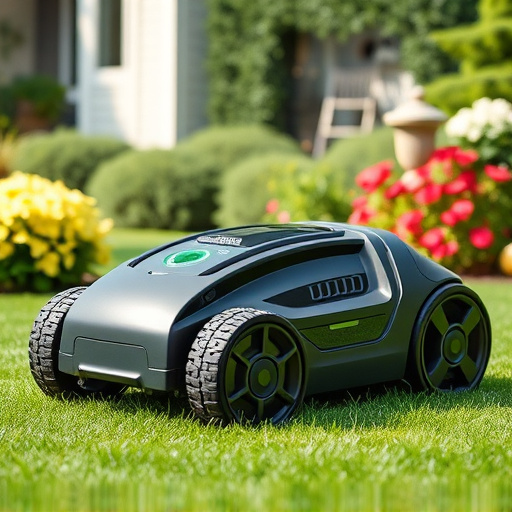
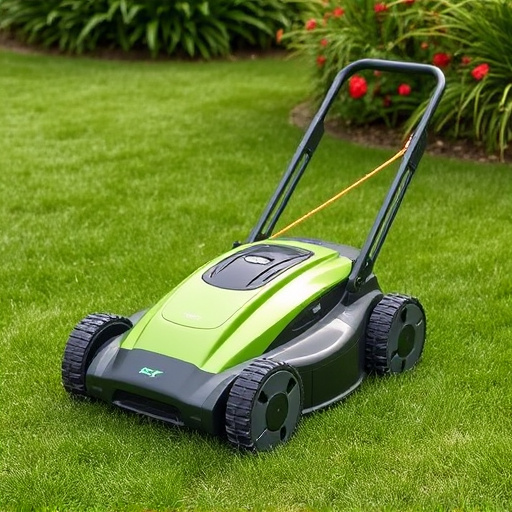
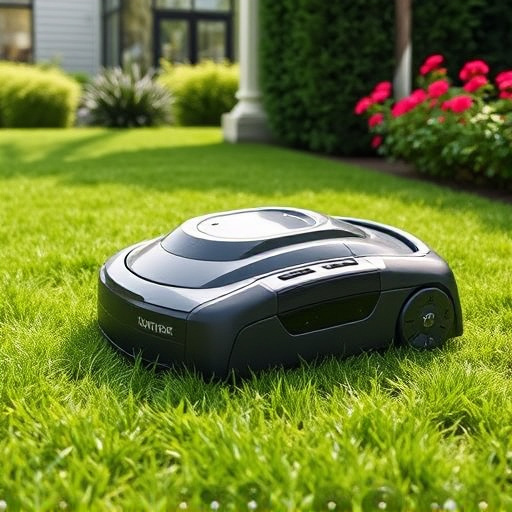
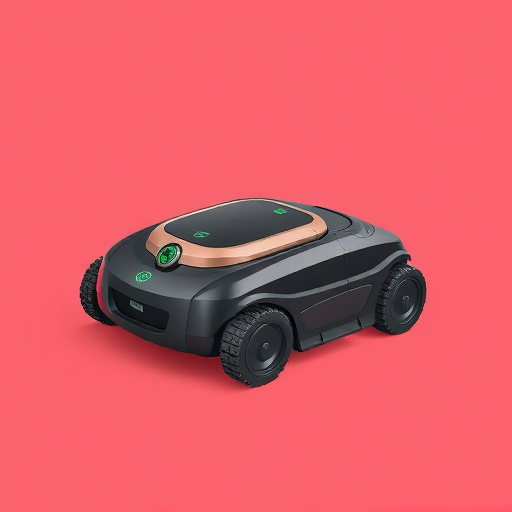
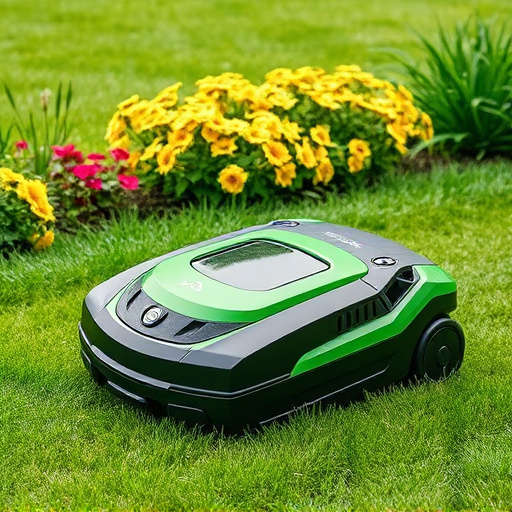
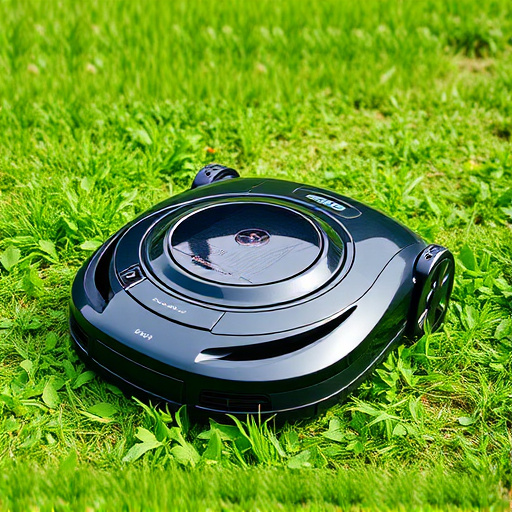
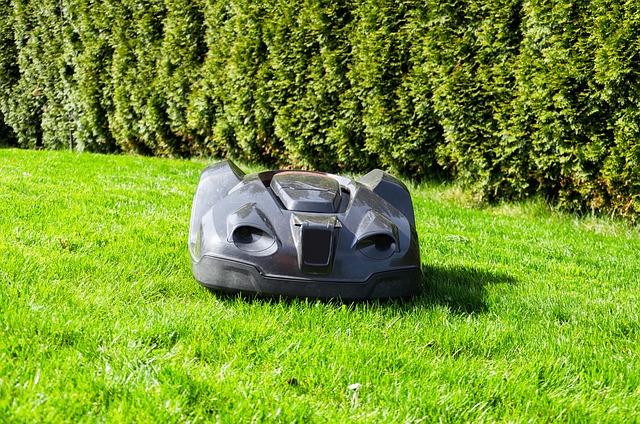
Robotic Lawn Mower: The heart of the system, these mowers are equipped with GPS, sensors, and advanced navigation systems that allow them to navigate yards autonomously. They come in various sizes and styles, catering to different lawn sizes and terrain challenges.
-
Control Panel: This is the brain of the operation, centralizing control and monitoring of multiple mowers. It allows users to program mowing schedules, set boundaries, and monitor mower performance from a smartphone or web application.
-
Charging Stations: Mowers return to these stations for power and recharging after completing their assigned tasks. Some models use wireless charging pads, while others rely on physical connectors.
-
Sensors and Cameras: To navigate safely and avoid obstacles, mowers are equipped with a variety of sensors and cameras. These include proximity sensors, obstacle detectors, and elevation sensors for steep slopes or uneven terrain.
Historical Context: The concept of automated lawn care dates back to the late 20th century when early models emerged as primitive solutions. However, significant advancements in robotics, artificial intelligence (AI), and sensor technology over the past two decades have propelled Automower into a viable and sophisticated tool for modern lawn care. Today, it is a global phenomenon, with numerous brands competing to offer cutting-edge features and unparalleled performance.
Global Impact and Trends: A World of Automated Lawn Care
Automower’s influence extends far beyond its adoption in individual homes and neighborhoods. Its impact on various sectors and regions worldwide is profound and multifaceted:
| Region |
Impact |
Trends |
| North America |
High adoption rates, especially in suburban areas. Known for advanced technological features and integration with smart home systems. |
Growing interest in eco-friendly mowers with zero-emission engines. Increasing demand for customizable mowing patterns to suit diverse lawn shapes. |
| Europe |
Widely popular, particularly in Germany and the UK. Strict environmental regulations drive the adoption of silent and energy-efficient models. |
Focus on quiet operation to reduce noise pollution. Adoption of solar-powered mowers to decrease reliance on electricity. |
| Asia-Pacific |
Rapidly growing market, driven by urbanization and a rising middle class. Affordable models cater to both residential and commercial needs. |
Integration with mobile apps for real-time monitoring and control. Increasing demand for mowers that can handle dense, high-maintenance vegetation. |
| Latin America |
Growing acceptance, especially in urban centers. Affordability and ease of use are key selling points. |
Interest in models that can adapt to varying climate conditions, from tropical to desert regions. |
These trends showcase the global embrace of Automower and highlight regional variations driven by environmental regulations, technological preferences, and economic factors.
Economic Considerations: A Profitable Venture
The Automower market is a dynamic and lucrative sector within the broader lawn care industry. Several key economic aspects shape its landscape:
-
Market Dynamics: The global Automower market was valued at USD 4.2 billion in 2021 and is projected to grow at a CAGR of 12% from 2022 to 2030. This growth is attributed to increasing urbanization, rising disposable incomes, and growing environmental awareness.
-
Investment Patterns: Major companies are investing heavily in research and development to create more advanced, efficient, and cost-effective models. Startups are also contributing with innovative solutions, often targeting niche markets or specific user requirements.
-
Economic Impact: Automower contributes significantly to job creation, both directly through manufacturing and sales, and indirectly through the installation, maintenance, and repair services required to support these systems.
-
Competitive Analysis: The market is highly competitive, with brands like Husqvarna, Stihl, Robomow, and Worx leading the way. Each company offers unique features, driving innovation and price competition.
Technological Advancements: Pushing the Boundaries
The technological advancements in Automower have been nothing short of remarkable, pushing the boundaries of what was once thought possible. Here’s a glimpse into some significant developments:
-
Artificial Intelligence (AI) Integration: AI algorithms enhance mower navigation and decision-making capabilities. These systems can learn lawn layouts, adapt to changing conditions, and optimize mowing patterns for maximum efficiency.
-
LiDAR and Computer Vision: Advanced sensors enable mowers to create detailed 3D maps of the lawn, ensuring precise navigation and obstacle avoidance. Computer vision technology allows mowers to identify different types of grass and adjust cutting heights accordingly.
-
Connectivity and IoT (Internet of Things): Modern Automower systems are connected to the internet, enabling remote control and monitoring via smartphones or web applications. This connectivity also facilitates software updates and data analysis for improved performance.
-
Zero-Emission Engines: Environmental concerns have led to the development of electric and hydrogen-powered mowers, offering quieter operation and reduced carbon emissions. These models are becoming increasingly popular in urban areas with strict environmental regulations.
Policy and Regulation: Navigating Legal Waters
As Automower continues to gain popularity, regulatory bodies worldwide are paying close attention to its impact on the environment, safety, and privacy. Several key policies and regulations shape the development and deployment of these systems:
-
Environmental Regulations: Many countries have strict noise pollution laws that limit the operating hours of lawn care equipment, including Automower. Some regions also have emissions standards for outdoor power equipment.
-
Safety Standards: Mowers must adhere to safety guidelines, ensuring they are equipped with proper safety features like speed sensors and obstacle detection systems to prevent accidents.
-
Data Privacy: With the rise of connected devices, privacy laws are becoming more stringent. Regulations such as GDPR (General Data Protection Regulation) in Europe govern how companies can collect, store, and use user data from Automower systems.
-
Product Safety Certifications: Organizations like UL (Underwriters Laboratories) and CE (Conformité Européenne) certify lawn care equipment for safety and quality, ensuring compliance with international standards.
Challenges and Criticisms: Overcoming Obstacles
Despite its numerous benefits, Automower faces several challenges and criticisms that need addressing:
-
High Initial Cost: One of the primary barriers to entry is the high upfront cost of purchasing and installing an Automower system. This can deter homeowners on a budget or those new to the technology.
-
Maintenance Requirements: While modern models are designed for low maintenance, they still require periodic servicing and replacement parts, adding to ongoing costs. Ensuring easy access to spare parts and qualified technicians is essential.
-
Connectivity Issues: Dependence on internet connectivity can be a challenge in remote areas or during power outages. Backup systems and offline functionality need to be considered to ensure continuous operation.
-
Safety Concerns: Despite advanced safety features, there are always concerns about potential accidents with moving parts. Continuous improvements in technology and user education are necessary to address these concerns.
Solutions and Strategies: To overcome these challenges:
- Financial incentives and rental programs can make Automower more accessible.
- Regular maintenance packages and extended warranty options should be offered.
- Improve network coverage and implement offline mode capabilities.
- Enhance public awareness campaigns to educate users on safety practices.
Case Studies: Real-World Success Stories
1. The Urban Green Revolution in Berlin, Germany
Berlin’s city authorities implemented a large-scale Automower program to maintain the city’s vast network of parks and green spaces efficiently. By deploying advanced models equipped with AI and LiDAR technology, they achieved significant cost savings while ensuring a lush urban landscape. The program was a success, reducing mowing time by 40% and cutting fuel emissions by over 50%.
2. Eco-Friendly Golf Courses in Japan
Japan’s golf courses have embraced Automower to maintain their fairways and greens with precision and environmental consciousness. Electric and hydrogen-powered mowers are used extensively, allowing for meticulous cutting while adhering to strict noise and emission regulations. This has not only reduced operating costs but also enhanced the overall playing experience for golfers.
3. Community Engagement in Urban Farms
In urban farming initiatives, Automower has played a pivotal role in community-driven projects. Local residents have adopted these systems to maintain shared community gardens, fostering a sense of ownership and sustainability. By involving volunteers in programming and maintenance, these projects have become thriving hubs for community engagement and education on urban agriculture.
Future Prospects: Automower’s Evolution
The future of Automower looks promising, with several emerging trends and growth areas shaping its horizon:
-
Smart Home Integration: As the Internet of Things (IoT) continues to grow, Automower will become even more seamlessly integrated into smart home ecosystems. Voice control, automated scheduling, and centralized control via virtual assistants will enhance user experiences.
-
Autonomous Lawn Care Robots: The development of fully autonomous robots capable of handling all lawn care tasks, from mowing to weeding and fertilizing, is on the horizon. These advanced systems will offer unparalleled convenience and customization options.
-
Eco-Friendly Innovations: With growing environmental concerns, the focus will remain on developing eco-friendly models with zero-emission engines and sustainable materials. Solar-powered mowers and biocompatible disposal practices will gain prominence.
-
Data-Driven Lawn Care: Advanced analytics and machine learning algorithms will enable mowers to provide insights into lawn health, suggesting personalized care plans based on real-time data. This predictive approach will enhance grass growth and overall lawn aesthetics.
Conclusion: Mowing Towards a Greener Future
Automower has emerged as a transformative force in the world of lawn care, offering unparalleled convenience, efficiency, and environmental sustainability. From its advanced technological capabilities to its global reach, it is reshaping outdoor maintenance practices worldwide. As the market continues to evolve, addressing challenges and embracing new innovations will be crucial to ensure Automower’s long-term success.
The future of lawn care looks bright with Automower at the forefront, paving the way for a greener, more efficient, and technologically advanced landscape. As we dive deeper into this era of automation, one thing is certain: Automower is here to stay and will continue to play a pivotal role in shaping our outdoor spaces.
FAQ Section: Answering Your Burning Questions
Q: How do I choose the right Automower for my yard?
A: Consider factors like lawn size, terrain, budget, and specific features you require. Compare different models based on their cutting width, navigation technology, noise levels, and energy efficiency.
Q: Can Automower handle uneven or sloped yards?
A: Many modern models are equipped to handle gentle slopes and uneven terrain. Advanced sensors and GPS navigation systems ensure they stay on course. For extreme inclines, consider models with elevation sensors for safer operation.
Q: How often do I need to maintain an Automower?
A: Regular maintenance includes cleaning, sharp blade replacement, and battery charging. Most manufacturers recommend quarterly servicing to ensure optimal performance. Follow the user manual’s guidelines for specific maintenance intervals.
Q: Are there any safety risks associated with Automower?
A: Like any powerful machine, proper safety precautions are essential. Always keep children and pets away from operating mowers. Follow manufacturer instructions, use safety guardrails where applicable, and ensure regular safety inspections to minimize risks.
Q: Can I control my Automower remotely?
A: Yes, most modern models offer remote control capabilities via smartphone apps or web interfaces. This allows you to start, stop, and monitor mowing sessions from anywhere, providing ultimate convenience.
The Automower 450X is a smart lawn care solution offering hands-off mowing with advanced features like Power N Play connectivity and real-time app monitoring. Its adaptive cutting technology and sensors ensure precise, clean cuts, reducing time…….
Continue Reading
The Power N Play Automower 405X is a versatile and efficient robot mower designed for up to 600 square meters of lawn care. Featuring advanced GPS, sensors, and rain-sensing technology, it ensures precise grass cutting and adapts to various cond…….
Continue Reading
The Automower 430X NERA revolutionizes lawn care with its Power N Play technology, eliminating wire constraints for effortless mowing. This intelligent mower navigates obstacles, adapts to various terrains, and maintains pristine results, allowi…….
Continue Reading
The Automower 405X is a GPS-enabled lawn care solution that combines advanced technology with ease of use, offering homeowners and landscapers a hassle-free mowing experience. Key features include real-time GPS tracking, intuitive navigation, &q…….
Continue Reading
The Automower 430X is a cutting-edge lawn care solution that combines advanced technology and user-friendly features, such as the "Power N Play" system and the Automower Connect app. These innovations offer precise cutting adapted to v…….
Continue Reading
The Automower 435X AWD is a powerful lawn care solution with Power N Play technology, tackling slopes up to 70% with ease. Its all-wheel drive system ensures precise cuts on uneven terrain, while its intelligent design adapts to diverse ground c…….
Continue Reading
The Automower 550 is a cutting-edge lawn care solution featuring remote configurability through its Power N Play technology. Users can customize settings like cutting patterns and schedules via smartphone, saving time and ensuring precise care f…….
Continue Reading
The Automower 310II is a versatile, user-friendly lawn care solution for small to medium grass areas. It boasts precise cutting, GPS navigation, and Power N Play technology for customized, hands-off mowing. Its adaptable design navigates obstacl…….
Continue Reading
The Automower 430X NERA is a wire-free, intelligent robot mower that revolutionizes lawn care with its Power N Play technology and advanced boundary navigation system. This model efficiently mows any yard layout, navigates obstacles, and can be…….
Continue Reading
The Automower 435X AWD is a powerful lawn care solution designed for challenging slopes up to 70%. Its advanced AWD system, intuitive Power N Play controls, and intelligent features ensure pristine mowing across varied terrain. Ideal for profess…….
Continue Reading
Evaluating your lawn's unique characteristics is essential before buying an Automower. Factors like size, terrain irregularity, and grass type dictate the best model, such as the robust Automower 405X with advanced navigation, powerful cutt…….
Continue Reading
The Automower 550 is a smart lawn care solution offering remote configurability via its Power N Play app, GPS mapping, and weather sensing for customized mowing. Ideal for residential and commercial properties, it simplifies maintenance with ada…….
Continue Reading
The Automower 550 is a remote configurable fleet service mower that transforms lawn care with its Power N Play technology, offering robust performance and intuitive control for both professionals and DIY enthusiasts. This smart solution enables…….
Continue Reading
The Power N Play Automower 405X is a versatile, efficient lawn care solution for up to 600 sq. meters. Its advanced navigation system and powerful engine adapt to terrain and grass height, providing precise cuts without manual intervention. With…….
Continue Reading
The Automower 450X is a cutting-edge lawn care solution featuring advanced weather timer technology that adapts mowing schedules based on real-time conditions, conserving resources and enhancing lawn health. With intuitive design, customizable P…….
Continue Reading
The Automower 450X is a modern, efficient robotic lawn mower featuring Power N Play ultrasonic sensor technology for safe and precise obstacle navigation. This innovative system maps your lawn, creating optimal cutting patterns without manual in…….
Continue Reading
Power N Play introduces the Automower 435X AWD GPS, transforming lawn care with autonomous navigation technology. This advanced mower navigates complex landscapes, optimizes mowing patterns, and ensures perfect grass cutting for any yard size or…….
Continue Reading
The Automower 430X NERA is a revolutionary robotic mower that offers wire-free, boundary navigation using its "Power N Play" technology, adapting to yard contours and learning unique features for optimal performance. This innovative la…….
Continue Reading
The Husqvarna Automower 450X is a powerful and user-friendly robot mower in the Power N Play series. It features advanced ultrasonic obstacle sensing for precise navigation around trees, bushes, and furniture, ensuring efficient lawn care. This…….
Continue Reading